
Documents required for MBBS abroad (a practical checklist)
5 May 20264 min readVincit EduPath research team
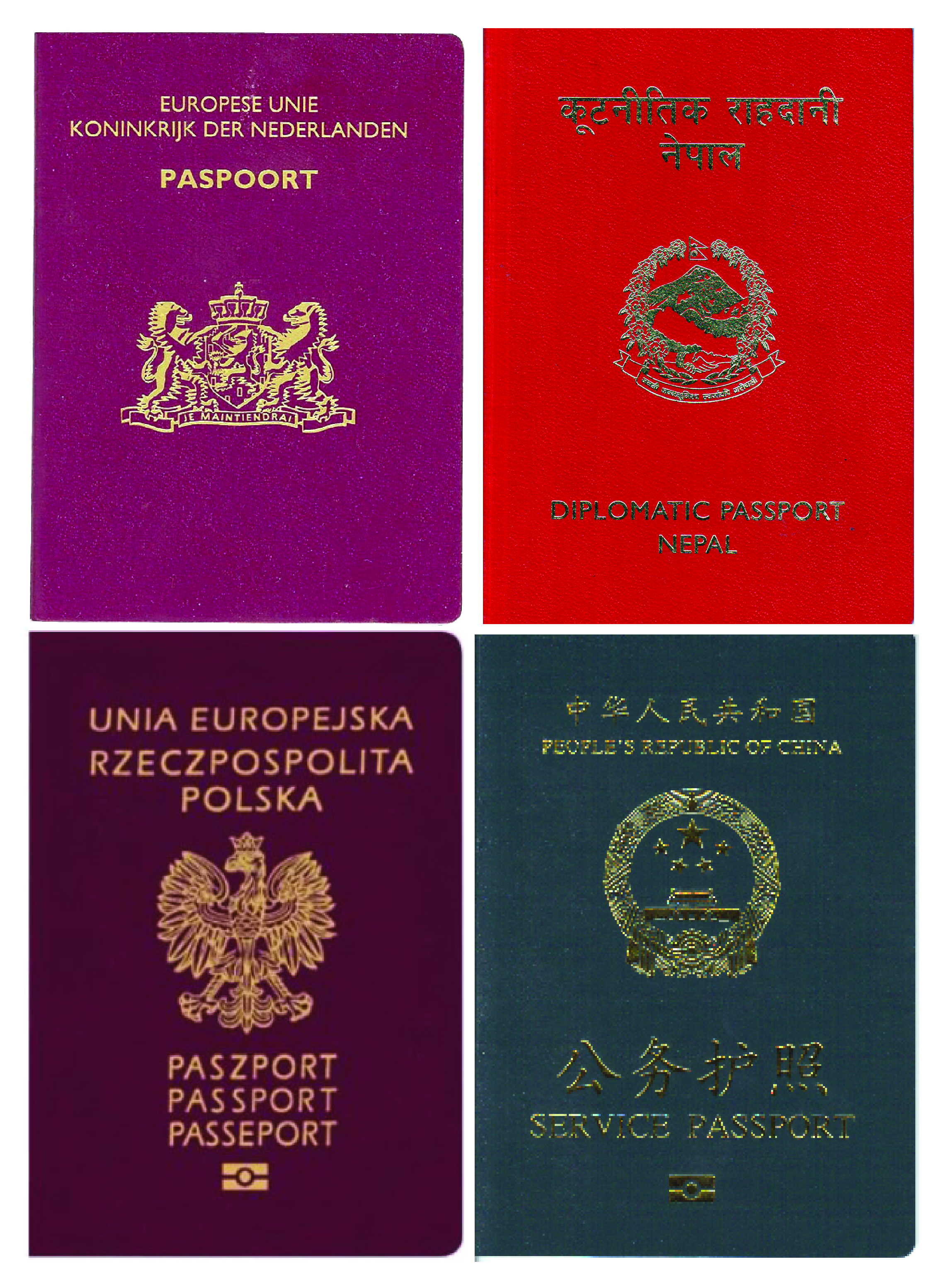
Paperwork is where avoidable delays happen — and unlike marks or cutoffs, every one of these is fully inside your control. Keep this set ready (originals plus attested copies) before applications open, because each document below can, on its own, stall or sink an admission if it’s missing, mismatched or late.
Why paperwork, not marks, derails admissions
Once a university has admitted you and you’ve qualified NEET, the remaining risk is almost entirely administrative. A name spelled differently across two certificates, a passport too close to expiry, an apostille that didn’t come back in time — these are the things that actually cost students their start date, far more often than any academic shortfall.
The fix is unglamorous: assemble the whole file early, check every detail against your passport, and build in slack for the slow steps. This guide walks document by document, with a plain note on why each one can end an admission if you get it wrong.
One rule above all
Names, dates of birth and parents’ names must match exactly across your passport, NEET scorecard and school certificates. A single mismatch is the most common cause of last-minute panic — fix it before you apply, not at the visa window.
Core documents
Most universities and the visa process will ask for the following. Treat the list as a single file to be completed, not a series of items to chase one by one:
- NEET-UG scorecard / rank letter — non-negotiable for the India return, and your proof of qualifying.
- Class 10 and 12 mark sheets and certificates — your academic record and, often, your proof of date of birth.
- Valid passport, with adequate validity remaining well beyond your course start.
- NMC eligibility position (covered below — for most current students the NEET result itself stands in for it).
- Passport-size photographs to the specification the university asks for.
- Birth certificate and, where required, a medical fitness certificate.
The passport — the one with the longest lead time
The passport deserves its own line because it gates everything after it: the university registration, the visa, the flight. A fresh application or a renewal can take weeks, and a passport with little validity left can be rejected for a long student visa. This is the document to start with, not the one to leave for last.
Check, too, that the name and date of birth on the passport match your school certificates exactly — because every later document, including the visa, will be built around the passport. If there’s a discrepancy, correcting it before everything else is keyed to the passport saves a cascade of re-work.
Why this one can end your admission
A passport that expires too soon can block the student visa even after the university has admitted you — and renewals don’t move on your timeline. Start it first, with months of buffer.
The NEET scorecard — the document that protects the degree
Your NEET-UG scorecard is the document that carries your whole future ability to practise in India. A qualifying NEET-UG score is mandatory to register after a foreign MBBS, and for anyone joining the course on or after May 2018, the NEET result is deemed the NMC Eligibility Certificate — so there is usually no separate EC paperwork to chase. That’s a simplification, not a loophole: the benefit only exists if you genuinely qualified.
Keep the scorecard safe and accessible. No university can waive this requirement, and you’ll need it again — at the far end — when you sit the FMGE and seek registration. It is, in a real sense, the most important page in the file.
Lose track of the NEET scorecard and you haven’t just misplaced a document — you’ve misplaced your right to practise in India.
Apostille, explained simply
For most MBBS destinations your educational documents need an apostille — a standardised certificate that makes an Indian document legally valid abroad. In India this is issued by the MEA’s CPV Division, after your documents are first pre-authenticated by the relevant State Education Department (mea.gov.in/apostille-menu).
An apostille is valid across all countries in the Hague Apostille Convention, which India joined in 2005 — so the same certificate works for any member country, with no separate embassy legalisation needed. Confirm your specific destination is a member, and start the State-level pre-authentication early: it is the step that most often runs over schedule.
The slow step that ambushes timelines
Apostille isn’t one stamp — it’s a two-stage chain (State pre-authentication, then MEA). The State stage is the one that quietly overruns. Begin it the moment you have your certificates, not when the university asks.
Attestation & translation
Beyond the apostille, some documents need notary or gazetted attestation, or an official translation into the destination country’s language — depending on where you’re going. These requirements vary university by university and country by country, so confirm the exact list with your specific university in writing rather than assuming.
Build calendar time for all of this. Translation and attestation are cheap and routine individually, but stacked together near a deadline they become the classic cause of a delayed start.
What the Indian side will expect later
It helps to know now what the system asks at the other end, because it tells you which originals to guard for years. India’s own MBBS admission process is a useful mirror: the MCC reporting checklist demands originals at the desk — admit cards, result/rank letters, Class 10 and 12 certificates, photo ID and more — and is unambiguous that photocopies, however many or however attested, do not admit you. Originals deposited elsewhere also fail.
The lesson for an abroad applicant is the same discipline: never surrender your only originals, keep certified copies for routine use, and treat the original NEET scorecard and school certificates as documents you will still need at registration time back home. The habit of protecting originals is what keeps the file intact across six years and two countries.
A protection worth keeping
Because the Indian system requires physical originals at key steps, guarding yours from day one isn’t over-caution — it’s exactly what lets you complete the journey without a frantic certificate hunt later.
A note on the NMC eligibility position
To close the loop on the certificate question: the NMC eligibility position certifies that you meet the requirements to pursue a foreign medical degree intended for Indian practice. It is tied to the FMGL framework. For post-May-2018 joiners the NEET result is deemed this certificate, so there’s no separate document to obtain — but the underlying requirement (a qualifying NEET score, a programme that meets the FMGL-2021 criteria) is what actually matters.
Getting this right early — qualifying NEET, choosing an FMGL-compliant programme, and keeping the scorecard safe — saves real trouble at registration. It’s less a piece of paper to fetch than a position to be in, and the file you build now is the evidence of it.
Verify it yourself.
Every claim above is meant to be checked. Start with the primary-sources library, then run the numbers for your own situation — that’s the difference between a briefing and a brochure.
Guidance, not a guarantee. Recognition of a foreign MBBS is criteria-based (FMGL 2021) — there is no “NMC-approved” list — and figures like FMGE pass rates change each session; confirm against the official source (NMC / NBEMS) before deciding.
Have a question on this? Ask a counsellor
A senior counsellor will walk you through your real options.